


CULTURE-DRIVEN LUXURY
- Raffles Jakarta

- Jan 30
- 4 min read
Luxury in 2026 is no longer defined solely by craftsmanship; it is determined by cultural power. Runways still matter, but they no longer carry the full weight of influence. Instead, luxury now lives inside music videos, gaming ecosystems, virtual worlds, underground art spaces, and global subcultures.

Fashion brands no longer ask, “What is our collection?” They ask, “What culture are we shaping, and who is shaping it with us?”
This shift marks the rise of culture-driven luxury, a strategic evolution where influence is built not through tradition but through cultural alignment, creative ecosystems, and emotional immersion. Including metrics or KPIs can help brands evaluate their cultural impact and ensure strategic effectiveness.
WHY CULTURE BECAME FASHION’S MOST VALUABLE CURRENCY

Younger consumers don’t form loyalty through logos; they form loyalty through cultural belonging. Gen Z and Alpha evaluate brands based on:
What music scenes do they support
Which gaming communities do they respect
What art movements do they amplify
Which subcultures do they empower
How deeply they understand identity and social nuance
If a brand does not influence culture, it loses influence everywhere else.
MUSIC as Luxury’s Most Powerful Cultural Engine
Music is fashion’s most explosive cultural amplifier. It creates cross-border influence in seconds, shaping global identities faster than any advertisement. Fashion brands now use music to:
Build Global Narrative Reach: A 15-second sound on TikTok travels further than most runway videos.
Influence Micro-Aesthetics: From Afro-futurist looks to K-pop glam to Parisian R&B minimalism.
Turn Artists into Cultural Directors: Musicians aren’t ambassadors; they’re co-creators of the brand’s vibe.
Drive Luxury Hype Cycles: A single high-impact tour look can define global streetwear for a full season.
Luxury houses increasingly treat music drops the way they once treated couture shows, as cultural milestones.
GAMING: The New Runway for Digital-First Luxury
Gaming has become fashion’s most valuable portal into the next generation.

Today, fashion brands treat gaming platforms like:
Runways
Flagship stores
Cultural hubs
Experimental design labs
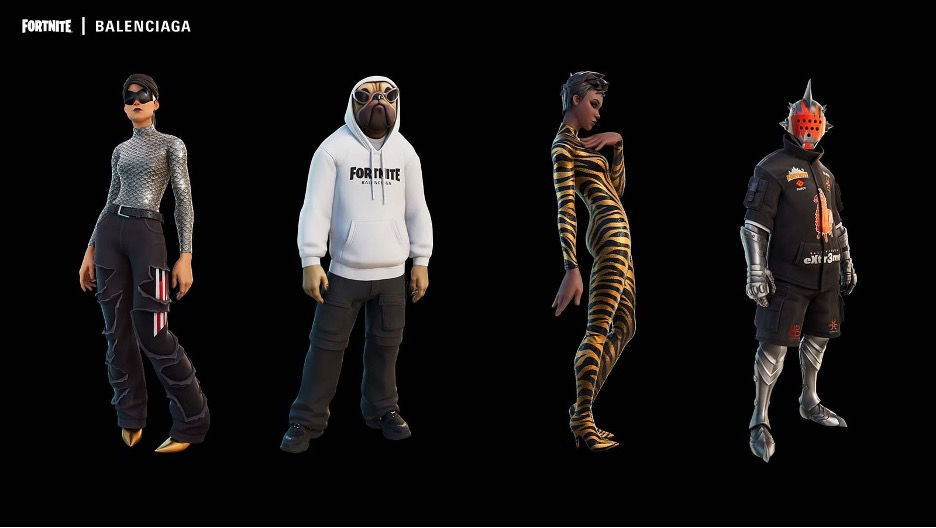
Luxury collaborations with Fortnite, Roblox, Zepeto, Honor of Kings, and Tencent titles allow brands to:
1. Own Virtual Identity: Skins become status symbols, digital luxury items with emotional value.
2. Reach the Gen Alpha Consumer: Kids experience luxury first in virtual worlds, not malls.
3. Prototype Future Collections: Digital-only pieces test silhouettes before physical production.
4. Build Transmedia Storytelling: Gamified quests, virtual exhibitions, and branded worlds deepen immersion.
Gaming is not a marketing channel; it is a universe of identity expression.
ART as a Strategy of Cultural Prestige

Art has historically shaped luxury, but in 2026, it becomes a strategic cultural engine. Brands invest in:
Artist-in-residence programs
Multidisciplinary collectives
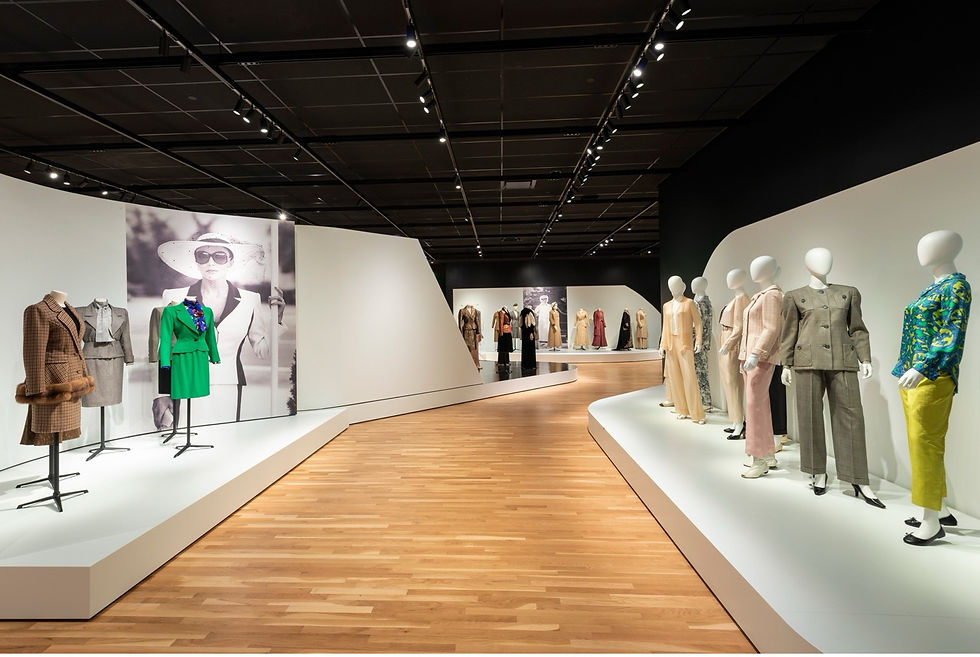
Immersive installations
Traveling exhibitions
Digital art collaborations
NFT-based art drops
Museum partnerships

The purpose is not decoration; it is cultural elevation. Art offers what advertising cannot:
Intellectual credibility
Emotional depth
Global prestige
Timelessness
Narrative complexity
SUBCULTURES: The New Home of Fashion Authenticity
Subcultures are where fashion innovation truly begins: punk, hip-hop, indie sleaze, Y2K revival, rave culture, goth, queer ballroom, Harajuku, Seoul minimal street romance, Jakarta alt-fashion, and more. Brands increasingly embed themselves in subcultures through:
Micro-community collaborations
Local creative studios
Underground event sponsorships
Creator-led capsule collections
Community-run archives
Cultural listening labs
The new luxury consumer demands authenticity, not appropriation. Brands must be invited into subcultures to foster trust and a sense of shared purpose.
CULTURE-DRIVEN LUXURY BUILDS INFLUENCE IN FOUR DIMENSIONS
Luxury influence now unfolds across a cultural matrix:
Aesthetic Influence: Through silhouettes, styling languages, and color grammars.
Emotional Influence: Through music, narratives, and identity resonance.
Technological Influence: Through gaming platforms, virtual fashion, and AI expression.
Social Influence: Through subcultures, creator networks, and community ecosystems.
The brands that master all four dimensions-aesthetic, emotional, technological, and social-become cultural authorities, inspiring confidence in their leadership role.
Case Studies of Culture-Driven Luxury Success (Global Trends)
The K-Culture Luxury Explosion: K-pop, K-fashion, and K-beauty integrate seamlessly, making Seoul a cultural capital shaping global trends.
Gaming Skin Luxury: Major fashion brands earn millions through digital skins that cost a fraction of physical items, but deliver more emotional prestige.
Museum-Runway Hybrid Experiences: Immersive installations become global events, driving cultural tourism and online virality.
Music-Tour Fashion as the New Couture: World tours function as seasonal shows, and artists become the new supermodels.
THE FUTURE: Luxury Becomes an Operating System for Culture

By 2030, fashion brands will operate as cultural ecosystems:
Transmedia Luxury Universes: Collections launch simultaneously across gaming, music, film, and physical spaces.
AI-Powered Cultural Intelligence: AI tracks emerging subcultures globally and predicts cultural movements before they break.
Hybrid Artist–Designer Roles: Designers are also musicians, digital artists, coders, or scenographers.
Culture-Led Loyalty Programs: Customers earn rewards not through spending, but through cultural participation.
Global Micro-Culture Networks: Brands support local fashion scenes from Nairobi to Jakarta to São Paulo, shaping influence bottom-up.
Luxury becomes a cultural infrastructure, not a product category.
CONCLUSION: Culture Is the New Runway
In 2026, fashion relevance is not crafted on catwalks; it is crafted in soundscapes, virtual worlds, art studios, and subcultural communities. The brands that win are those that:
Create emotional resonance
Collaborate with cultural innovators
Invest in subcultures authentically
Merge fashion with music, gaming, and art
Treat culture as a living ecosystem
Luxury is no longer about heritage. It is about cultural fluency.
Arman Poureisa
Marketing Manager
References
Business of Fashion. (2025). The Age of Culture-Driven Luxury. https://www.businessoffashion.com
Vogue Business. (2025). Music and Fashion: The New Global Power Partnership. https://www.voguebusiness.com
McKinsey & Company. (2024). Luxury in the Digital Culture Era. https://www.mckinsey.com
WGSN. (2025). Youth Subculture Trends and Aesthetic Movements. https://www.wgsn.com
Deloitte. (2024). Gaming x Fashion Consumer Insights. https://www.deloitte.com
Accenture. (2025). Digital Fashion Economies and Virtual Identity. https://www.accenture.com
Meta for Business. (2024). Culture and Creative Collaboration in Fashion Advertising. https://www.facebook.com/business
Ipsos. (2024). Subculture Authenticity and Brand Alignment. https://www.ipsos.com
Kantar. (2025). Music as Emotional Branding Infrastructure. https://www.kantar.com
eMarketer. (2025). Gaming Skins and Virtual Luxury Forecasts. https://www.emarketer.com
YouTube Culture & Trends. (2025). Music-driven Aesthetic Trends. https://www.youtube.com
China Internet Watch. (2025). Digital Culture and Luxury Consumption on Douyin. https://www.chinainternetwatch.com
Frame Magazine. (2024). Art x Fashion Creative Hybrid Spaces. https://frameweb.com
Forbes. (2024). Why Subcultures Shape the Next Luxury Market. https://www.forbes.com
Dezeen. (2025). Immersive Brand Installations and Cultural Architecture. https://www.dezeen.com

