


FASHION MEETS HOSPITALITY
- Raffles Jakarta

- Feb 9
- 4 min read
Luxury is no longer confined to a single domain. With consumer desires now intertwined across travel, Fashion, dining, and lifestyle, a novel hybrid space has taken shape. Luxury hotels, upscale restaurants, exclusive beach clubs, and high-end resorts are transforming into the new retail landscapes for fashion brands.

The concept is straightforward: if a customer is already experiencing the ideal setting, why not bring the store to them?
However, this transformation goes beyond just adding a retail display in a hotel lobby.
It's a shift in how we understand luxury, really. The experience itself is now the product. Hospitality becomes an inspiring way to showcase it, and Fashion has become a lifestyle that excites and engages consumers across dining, travel, and relaxation.
Hospitality is the new luxury showroom. Luxury hotels, for instance, have realized their spaces are ideal for showcasing Fashion. A lobby, with the proper lighting, becomes a runway.
A concept store situated near a check-in desk transforms into a subtle sales opportunity. Upscale resorts evolve into spaces for exploration, where vacationers, already in a leisurely frame of mind, are more likely to browse, sample, and buy.
This presents a significant opportunity for brands. Guests at luxury resorts, often part of the elite demographic, create a sense of pride and aspiration. A carefully curated in-hotel boutique or limited-edition collection fosters a feeling of exclusivity and achievement.

Hospitality environments offer a sensory richness that traditional retail can't match. Feeling the softness of cashmere or discovering exclusive collections in oceanfront villas inspires industry leaders to explore new retail formats.

Dining Experiences as Fashion Touchpoints
Luxury restaurants, particularly those affiliated with international hotel chains, are evolving into platforms for fashion narratives. Rather than the usual pop-up events, brands are now orchestrating couture brunches, exclusive dinners featuring capsule collections, and fashion-infused tasting menus, blending culinary artistry with style.

For Gen Z and affluent travelers, dining has transcended mere sustenance; it's about experiencing something more profound. A branded dining event offers intimacy, is easily shareable on social media, and projects an aspirational image. Restaurants benefit by attracting younger luxury consumers, while brands gain a deeper emotional connection by venturing into the culinary world.
In numerous cities, restaurants have become essential collaborators for product launches, as their existing clientele mirrors luxury consumption trends. The perfect table, the ideal lighting, the perfect moment; these elements create a lasting impression that surpasses any advertisement.
Resorts as Seasonal Fashion Ecosystems
Resorts have become key players in resort wear, swimwear, accessories, travel fashion, and wellness brands. A beach club in Bali or Ibiza, for instance, has evolved into a commercial hub, with capsule collections often selling out before they even hit the online shelves.
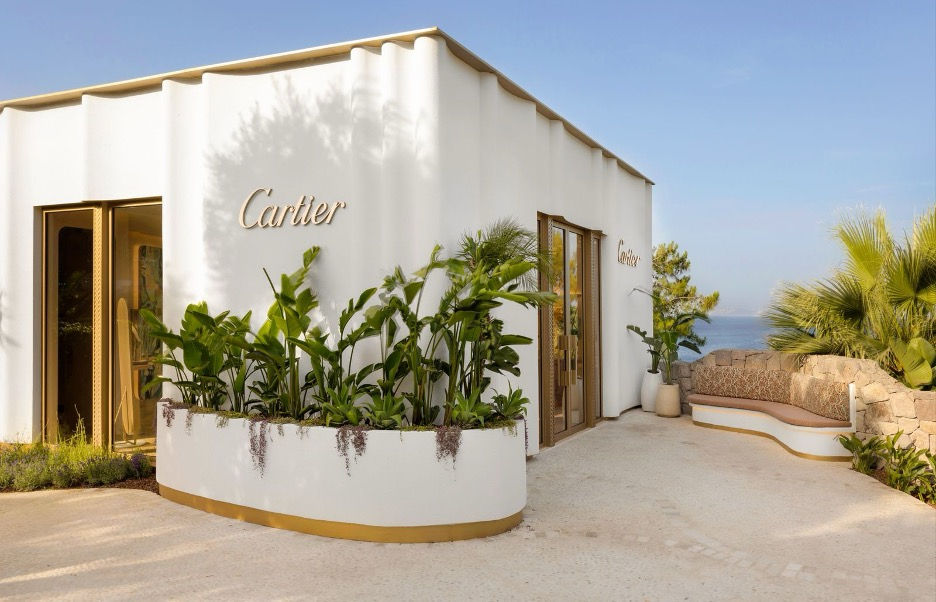
Brands are now aligning their release schedules with tourist seasons, rather than the traditional fashion calendar. Resorts also offer fashion houses a chance to build complex narratives:
¨ Morning yoga sessions featuring branded athleisure wear.
¨ Poolside DJ events showcasing limited-edition beachwear.
¨ Sunset dinners where guests get a sneak peek at a new capsule collection.
¨ Curated boutique corners stocked with exclusive merchandise.
These settings foster organic content creation, peer influence, and experiential engagement, which are vital for driving modern luxury purchases. Clear metrics such as social media reach, sales uplift, and brand awareness can help evaluate the success and scalability of these hospitality-driven fashion initiatives.
The Emotional Logic Behind Hospitality × Fashion
Why the swift shift? The allure of luxury has evolved. By 2026, consumers, particularly Millennials, Gen Z, and well-heeled digital nomads, are placing greater importance on:
Experiences, not possessions
Personalization, not the generic
Discovery, not the predictable
Ambiance, not just the sale
Lifestyle, not just a single product
Hotels, resorts, and restaurants provide precisely this: a meticulously curated environment. Fashion brands, in turn, find themselves with engaged audiences, heightened emotional connection, and a space where customers are already primed to spend. Luxury hospitality isn't merely supporting Fashion; it's becoming its next significant cultural touchpoint.
Hospitality as the New Retail Distribution Channel
Instead of investing in new stores, brands leverage hospitality spaces for:
Lower operational costs
Guaranteed affluent foot traffic
Hybrid event-retail formats
Brand storytelling through interior design
Access to international travelers
Hotels also benefit: by integrating fashion retail, they increase guest dwell time, diversify revenue streams, attract creative partnerships, and position themselves as cultural connectors rather than mere accommodation providers. In many urban centers, high-end hotels now outperform malls in luxury sales because their environments feel curated, exclusive, and intimate.
What This Means for the Future of Luxury Retail
The rise of hospitality as a retail channel signals a fundamental shift: luxury is no longer defined by products alone but by the spaces that shape their meaning. In the future, major fashion houses will operate hotels; hotels will run boutiques; restaurants will become mini fashion stages; and resorts will function as seasonal retail ecosystems.
The line between hospitality and Fashion is dissolving, and in that dissolution lies the next era of luxury.
Arman Poureisa
Marketing Manager
References
Abnett, K. (2025). Luxury hospitality pivots to experiential retail. Business of Fashion. https://www.businessoffashion.com
Bain & Company. (2025). Luxury Goods Worldwide Market Study. https://www.bain.com
Chitrakorn, K. (2024). Why hotels are the new fashion pop-up destinations. Vogue Business. https://www.voguebusiness.com
Danziger, P. (2025). Hospitality becomes retail’s most influential channel. Forbes. https://www.forbes.com
Euromonitor International. (2025). Travel, fashion, and experiential retail trends. https://www.euromonitor.com
FashionUnited. (2025). Resortwear demand surges as luxury tourism rises. https://www.fashionunited.com
GlobalData. (2025). Gen Z luxury traveler insights report. https://www.globaldata.com
Hilton Group. (2025). Lifestyle partnerships and experiential retail strategy. https://www.hilton.com
Hyatt Hotels Corporation. (2025). The future of hotel retail concepts. https://www.hyatt.com
Kavita, A. (2024). Fine dining as a branding medium for luxury retail. Retail Dive. https://www.retaildive.com
LVMH. (2025). Hospitality and experiential brand expansion report. https://www.lvmh.com
McKinsey & Company. (2025). The State of Fashion 2025. https://www.mckinsey.com
PwC. (2025). Hospitality outlook: Experience-driven luxury. https://www.pwc.com
Ritz-Carlton. (2025). Retail and guest experience innovation. https://www.ritzcarlton.com
Robehmed, N. (2025). How restaurants became fashion’s new cultural spaces. Highsnobiety. https://www.highsnobiety.com
Statista. (2025). Luxury tourism and retail integrations report. https://www.statista.com
The Economist. (2025). Why hotels are becoming the new luxury malls. https://www.economist.com
Travel + Leisure. (2024). Fashion-infused hotel trends across Asia. https://www.travelandleisure.com
Vogue. (2025). Resorts as emerging luxury retail ecosystems. https://www.vogue.com
WWD. (2025). Fashion brands expand into hospitality retail spaces. https://www.wwd.com

