


K-Beauty's Rise and the Social Commerce Shift in America

Updated: Aug 19
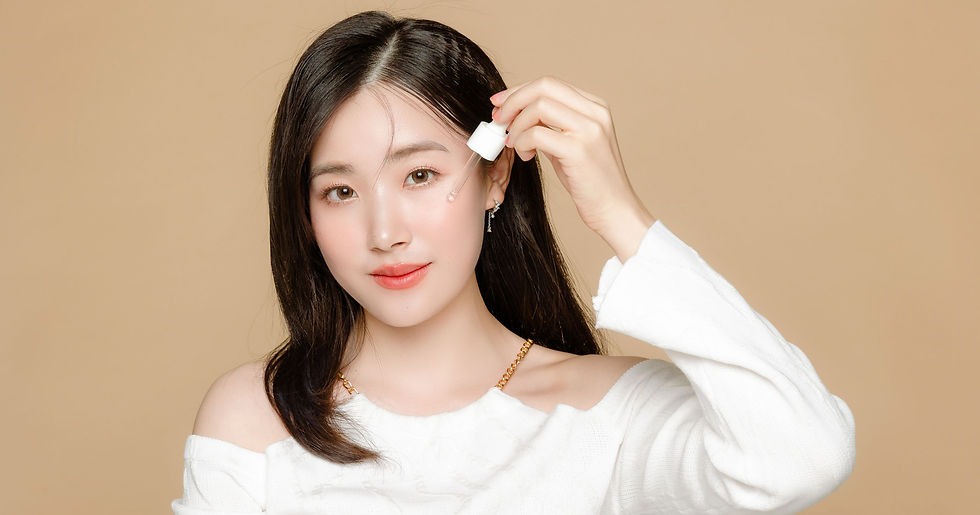
In late 2025, CNBC reported a surprising event: a surge in K-beauty demand across the US, driven by TikTok. Retailers had to rush to restock, forge new partnerships, and revamp their store layouts to keep up with Gen Z's evolving tastes. There was a time when aesthetic skincare videos, "glass skin" tutorials, and Korean product hauls were all the rage. Now, though, there is a full-blown retail race, and traditional beauty ads do not drive it; the cultural engine of social commerce drives it. This moment is more than a beauty trend; it highlights how social media, retail strategies, and decision-making are interconnected, fundamentally shaping consumer behavior and transforming the US beauty market.
How TikTok Became the Most Important Tool for Beauty Marketing
Magazines, celebrities, and high-end ads used to set beauty trends. Still, now TikTok's 15-second videos, 'Get Ready With Me' content, creator reviews, and algorithms shape them, making visibility more democratic and driven by authenticity rather than traditional advertising. There is now a new way to market beauty products: people discover them through short, endless videos.
Credibility is built through real-time reviews instead of polished ads.
Products become popular based on how real they are, how much people can relate to them, and how much they can try them out.
Algorithms make demand grow faster than brands can restock.
K-beauty products like lightweight moisturizers, cleansing balms, lip oils, and snail mucin serums fit in with this system because they are visually interesting, feel good, and are easy to show on camera. Texture plays a crucial role on TikTok, where glow stories, routines, and fun textures like jelly cleansers and water creams drive K-beauty's popularity, making it highly shareable and engaging.
A Global Philosophy of Beauty Made for the Age of Social Media
K-beauty is more than just a type of product; it's a lifestyle that promotes self-care, consistency, and embracing diversity, inspiring the audience to see beauty as accessible and empowering.
Multi-step rituals that make engaging content: You can film, review, or talk about each step, from double cleansing to toners, essences, serums, and sleeping masks.
New and interesting textures: Snail mucin, jelly cleansers, water creams, and other textures look great on camera and make people want to know more.
K-beauty works for all skin types, ages, and concerns because it uses gentle ingredients and includes everyone.
Affordable luxury: Trends are easy to try and easy to repeat because they have high-quality products at low prices.
Even if they don't mean to, K-beauty is made to go viral online. It shows that the world is moving toward beauty rooted in care, glow, and minor changes.
The Race for Retail
As TikTok boosts Korean brands' popularity, retailers are fiercely competing to secure supply chains, exclusive deals, and diverse K-beauty offerings, creating an exciting landscape for growth and innovation.
First, American shoppers don't just wander around the aisles anymore; they go into stores with TikTok screenshots, creator names, and specific suggestions. The algorithm tells stores what to stock, not what past sales data said they should.
Second, Korean brands are becoming more picky about who they work with. They prefer retailers that support digital synergy, mobile-friendly discovery, and shopping across multiple channels.
In the past, brands would launch products, retailers would plan how to get them to customers, and customers would slowly become aware of them. Now, in algorithmic retail, viral moments determine how often products are available.
Social commerce is the missing link between online shopping and real-world shopping.
The rise of K-beauty is due to social commerce, the seamless integration of social media and shopping. Now, TikTok, Instagram, and YouTube all do the same thing:
Places to find things
Places to leave reviews
Places for the community to talk
Places to shop
For beauty shoppers, the process is simple: they see a product, learn about its benefits, see real results, and tap to buy, sometimes in just a few minutes. K-beauty is the perfect mix of social storytelling, routine-based marketing, and a style that appeals to young people. Algorithms for social commerce that reward authenticity, educational content, and visually engaging demonstrations are increasingly shaping the global beauty market. Korean beauty is excellent at all of these things.
K-Beauty Changed the Story of Beauty Around the World
K-beauty has become a cultural movement that influences product development worldwide. Western stores are changing how they display their products to look more like Korean beauty stores, and Western brands are now adopting Korean innovations such as skin tints, cushion foundations, toner pads, fermented essences, SPF sticks, and hydrating sunscreens. But the bigger effect is how K-beauty changed what people think is beautiful:
· Skincare instead of heavy makeup
· Glow instead of coverage
· Wellness instead of harsh routines
· Exploration instead of perfection
This speaks to a generation that wants to be real and express themselves. TikTok spreads these values around the world in real time, turning K-beauty from a niche category into a global staple.
The Triangle of Power: Social commerce, retail, and the beauty industry
When social media, stores, and beauty brands come together, they make a dynamic ecosystem:
Social media sites make trends happen very quickly.
To capitalize on viral demand, retailers adjust their inventory and partnerships.
Based on what they learn from digital data, beauty brands come up with new ideas, change their formulas, and change their positions.
K-beauty does well because it fits so well into this ecosystem. Digital customers expect clear packaging, formulas, and a philosophy that includes multi-step guides, strong before-and-after comparisons, and customer reviews. This synergy shows that the future of beauty stores won't be based on traditional advertising but on digital culture, the influence of creators, and how effectively algorithms showcase products.
Arman POUREISA
Marketing Manager
References
Franck, T. (2025). TikTok-fueled K-beauty boom triggers a retail race in the U.S. CNBC. https://www.cnbc.com/2025/11/27/k-beauty-tiktok-makeup.html
Mintel. (2025). Global Beauty and Personal Care Trends 2025. https://www.mintel.com
McKinsey & Company. (2025). The State of Beauty 2025: Social commerce and the new consumer. https://www.mckinsey.com/industries/consumer-packaged-goods
Business of Fashion. (2025). How TikTok is reshaping global beauty demand. https://www.businessoffashion.com/articles/beauty
Statista. (2025). Social commerce market size worldwide. https://www.statista.com
Vogue Business. (2025). K-beauty’s global rise and what’s next for Korean brands. https://www.voguebusiness.com/beauty
Harvard Business Review. (2024). The power of creator-led commerce. https://hbr.org/
Euromonitor International. (2025). The K-beauty phenomenon and consumer demand shifts. https://www.euromonitor.com
Deloitte. (2025). Retail transformation in the age of social media. https://www2.deloitte.com/global/en/pages/consumer-business
Forrester. (2025). Beauty retail in 2025: From discovery to purchase in a social-first world. https://www.forrester.com


