


The Rise of Creator-Led Luxury
- Raffles Jakarta

- Feb 23
- 5 min read
For decades, Luxury flowed in a single direction, from maisons to magazines to consumers. Authority was centralized, gatekept, and carefully staged. By 2026, that hierarchy will have collapsed, empowering creators and communities, making the audience feel part of this change.
A new generation of fashion creators, TikTok visionaries, stylists, CGI designers, AI artists, K-culture tastemakers, and micro-aesthetic pioneers is building global luxury brands from the ground up. They are not waiting for validation from traditional institutions, nor are they following the historic path of fashion school, atelier apprenticeship, and editorial approval.
They are building brands the way Gen Z builds identity: collaboratively, digitally, culturally fluent, and relentlessly fast. This is the rise of creator-led Luxury, where influence becomes equity, aesthetics become businesses, and digital artistry becomes global desirability. However, brands must navigate risks such as brand dilution, authenticity concerns, and maintaining exclusivity in a democratized digital landscape.
Why Heritage Houses No Longer Control Luxury
For more than a century, Luxury was defined by craftsmanship, scarcity, long-term brand equity, editorial endorsement, and celebrity affiliation. These foundational elements previously governed both allure and authority; however, with the rise of algorithms and creator influence, traditional brands must adapt to remain relevant in this new paradigm.

Contemporary Luxury is now constructed through cultural resonance, the rapid dissemination of narratives, dynamic visual identities, and direct engagement between creators and consumers. The conventional luxury cycle, encompassing the journey from concept to workshop, runway to publication, and retail to consumer, has been supplanted by a novel, creator-driven loop.
Concepts are transformed into content. Content then achieves virality. This virality subsequently drives product releases. These releases, in turn, sell out. Archives are established. Communities then perpetuate the associated mythology. Within this evolved framework, younger consumers no longer prioritize a brand's historical significance. They ask whether it is culturally alive.
Creators as the New Luxury Creative Directors
Today's creators perform roles once distributed across entire fashion organizations. They conceptualize collections, style campaigns, produce imagery, narrate stories, market products, manage communities, analyze data, and merchandise drops, often as individuals or small teams. The result is a form of Luxury that feels personal, intimate, and deeply responsive to digital culture.
Creators such as Wisdom Kaye, Emma Chamberlain, Bretman Rock, and voices emerging across Seoul, Shanghai, Paris, and Jakarta often command more cultural attention than traditional fashion houses. Their influence does not come from logos, but from identity narratives, aesthetic consistency, lived expression, and emotional storytelling that audiences genuinely trust and relate to.
Digital Artists and AI Designers Redefine Luxury Aesthetics
Beyond physical fashion, digital artists and AI designers are expanding the definition of Luxury into entirely new aesthetic territory. CGI creators, Unreal Engine designers, and AI couture artists produce silhouettes unconstrained by gravity, materials, or production timelines.
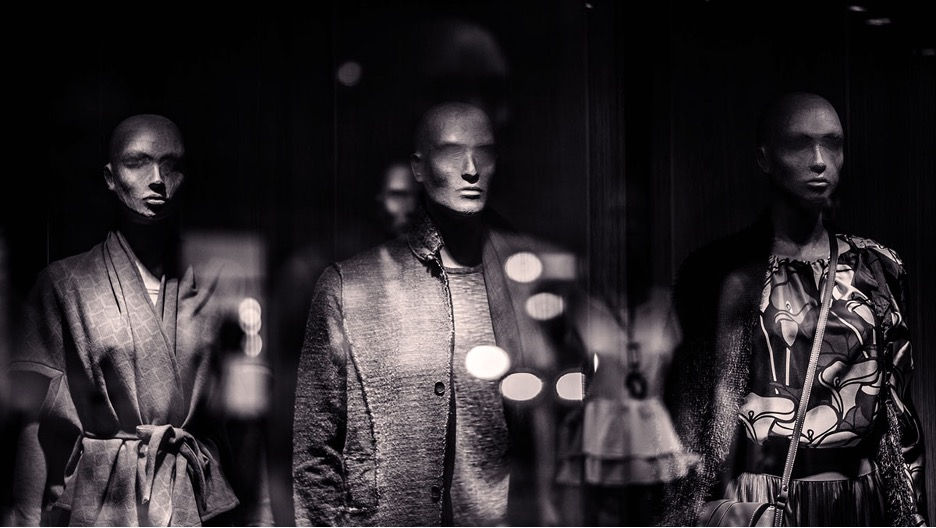
Designs can be iterated hundreds of times before physical realization. Physical garments merge with AI-generated surfaces. Virtual drops introduce wearable NFTs, AR fashion layers, and metaverse-native capsules.
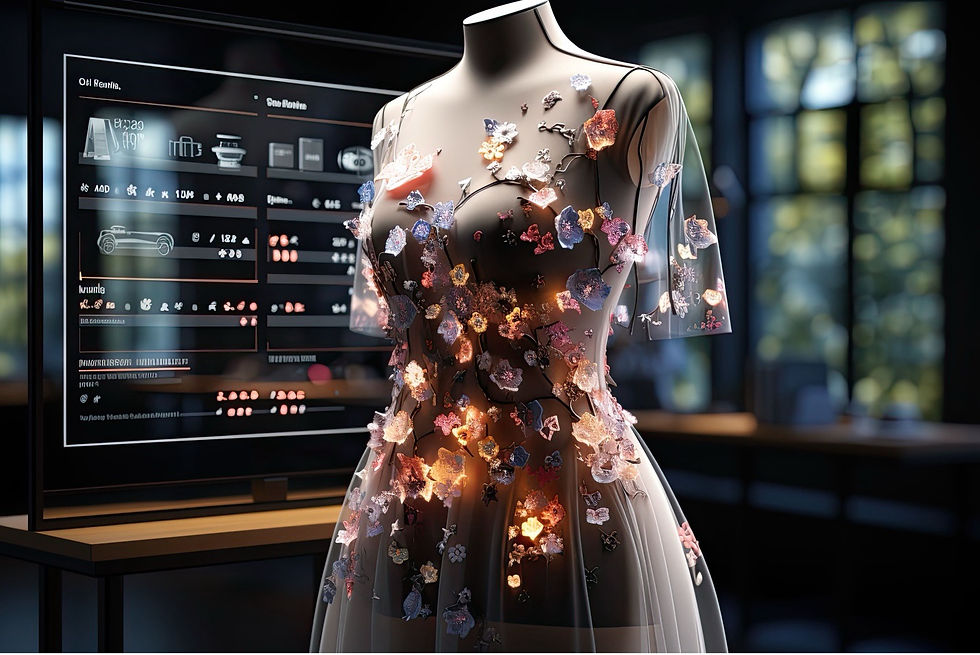
Heritage codes are remixed with gaming culture, anime, regional folklore, and internet subcultures, instantly and authentically. This marks the rise of post-atelier Luxury, where imagination replaces physical limitation and creativity scales globally without manufacturing first.
Stylists as Brand Architects
Stylists were once invisible operators behind fashion imagery. In 2026, they are among the most influential architects of luxury identity. They define silhouette language, color grammar, texture codes, and character archetypes that become instantly recognizable. Figures such as Law Roach, Kollin Carter, and Mimi Cuttrell, alongside rising Asia-based stylists, shape global trends faster than traditional media cycles. Their styling signatures function as visual logos. Creators no longer see stylists as service providers, but as co-authors of brand mythology.
From Follower Count to Cultural Capital
In the world of creator-led Luxury, the sheer number of followers isn't the be-all and end-all anymore. Cultural capital has taken the lead. Deeply specialized micro-niches, community trust, and a strong aesthetic sensibility consistently trump raw scale. Creators with smaller, but fiercely dedicated, audiences frequently outpace their macro-influencer counterparts in sales, simply because their taste is trusted. Metrics such as community engagement, emotional resonance, and cultural impact are now key indicators of success in creator-led Luxury, alongside traditional sales figures.
Creator-Led Brands Scale at Platform Speed
Creator-led luxury brands are outpacing traditional startups in terms of growth. The reason? The necessary infrastructure is already in place, thanks to existing platforms. Creators can quickly launch, sell, and refine their offerings using tools like TikTok Shop, Douyin commerce, Instagram Shop, YouTube Shopping, and Shopify integrations.

They sidestep the usual hurdles: wholesale distribution, conventional public relations, seasonal product launches, and physical showrooms. Instead, growth is fueled by viral trends, a consistent visual identity, easily replicable content formats, and constant feedback, making global expansion feel achievable and exciting.
Content is the brand's core. Creators don't build brands through traditional advertising campaigns. They make them through content ecosystems: point-of-view storytelling, micro-runway videos, studio diaries, try-ons, signature editing styles, voice-over philosophies, and emotional honesty. Products are the embodiment of these narratives, not the narrative itself. Desire is cultivated through repetition, intimacy, and authenticity, not through advertising budgets.
Why do consumers gravitate toward creator-led Luxury? It's simple: they feel real.
These brands are personal, constantly changing, flawed, and built on community. When you back a creator, you're backing a person, not some faceless corporation. Luxury transforms from a status symbol into a sense of belonging. The landscape of creator-led Luxury is shifting.
By 2027 to 2030, we expect to see creator collectives emerge as digital maisons, AI-guided fashion startups, and hybrid physical-digital flagship stores, alongside community-owned brands. Exclusivity will no longer be the defining characteristic; creative authority will take its place.
Creators are evolving. They're no longer just ambassadors; they're founders, entire brand worlds, and cultural influencers.
Arman Poureisa
Marketing Manager
References
Accenture. (2025). Social commerce acceleration and creator branding. https://www.accenture.com
Business of Fashion. (2025). The creator economy and the new luxury market. https://www.businessoffashion.com
China Internet Watch. (2025). Douyin creator commerce insights. https://www.chinainternetwatch.com
Deloitte. (2024). Gen Z trust and creator influence. https://www.deloitte.com
eMarketer. (2025). Creator-led retail forecasts. https://www.emarketer.com
Frame Magazine. (2025). Digital artists reshaping luxury visual culture. https://frameweb.com
Ipsos. (2024). Community-driven consumer behavior. https://www.ipsos.com
Kantar. (2025). Digital artists and aesthetic consumers. https://www.kantar.com
McKinsey & Company. (2025). The age of digital craftsmanship. https://www.mckinsey.com
Meta for Business. (2024). Influencer-led brand ecosystems. https://www.facebook.com/business
Shopify. (2024). The rise of creator-led e-commerce. https://www.shopify.com
TikTok for Business. (2025). Creator-led commerce trends. https://www.tiktok.com/business
Vogue Business. (2025). Creators building the next generation of luxury. https://www.voguebusiness.com
WGSN. (2024). The future of digital fashion creators. https://www.wgsn.com
YouTube Culture & Trends. (2025). Global creator-led fashion movements. https://www.youtube.com

