


THE RISE OF FASHION-AS-A-SERVICE

The fashion world is a different place now, having undergone a significant shift by 2026. Luxury isn't just about owning things anymore, or hoarding them, or even keeping them forever. The focus has moved toward access, adaptability, and the overall experience. This change has fueled the growth of Fashion-as-a-Service (FaaS), which includes subscription services for high-end clothing, luxury rentals, on-demand repairs, resale platforms, and closed-loop systems that aim to extend a product's lifespan while resonating with changing consumer priorities.
The concept of Fashion-as-a-Service, once considered experimental or niche, has now become central to industry strategies, capturing the attention of brands and stakeholders alike. It reflects a broader cultural shift towards systems built for circulation, durability, and accountability, making it essential for industry professionals to understand its implications.
From Ownership to Access
For a long time, success in fashion was all about possession. The adage that ownership equated to status has flipped. By 2026, the luxury market will see a shift. Clients are now drawn to variety without the baggage of waste, prestige without the showiness, and a sense of self without the need to overindulge.
Instead of amassing a closet full of clothes that rarely see the light of day, people are appreciating the ability to mix and match and update their wardrobes. Access offers a way to express oneself creatively without being tied down, while services provide ease, environmental responsibility, and financial sense. Leading fashion brands and platforms, from Gucci and Balenciaga to Burberry, Louis Vuitton, Stella McCartney, Patagonia, Lululemon, and Prada, are adapting to this new reality, reimagining how fashion is experienced, utilized, and shared.

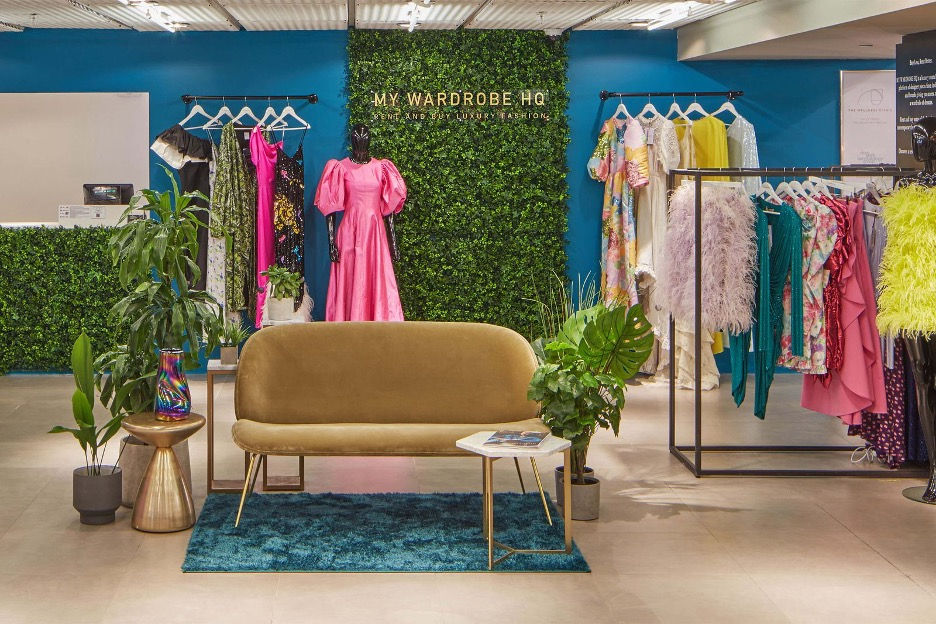
Subscription couture exemplifies innovation in Fashion-as-a-Service, encouraging brands and consumers to see fashion as a dynamic, evolving experience. Platforms such as Rent the Runway, MyWardrobeHQ, and Cocoon Club, which have transitioned from niche players to mainstream partners, exemplify how luxury brands are integrating Fashion-as-a-Service.
These collaborations enable brands to test demand, expand into new markets, and gather detailed insights into garment usage, styling, and maintenance, demonstrating industry-wide adoption.
For younger affluent consumers, subscription couture offers novelty without permanence. High-value access has become more desirable than permanent ownership, especially in an era where identity is fluid and style evolves rapidly.
Luxury Rental as a Lifestyle Choice
Luxury rental has moved beyond practicality to become a lifestyle expression. The stigma once associated with renting has disappeared as celebrities, stylists, and high-net-worth clients openly embrace rotation over retention.

Platforms such as Vivrelle, Fashionphile, and The RealReal now operate hybrid ecosystems that allow consumers to rent, buy, resell, or consign within a single trusted environment. For brands, rental programs provide greater control over authentication, resale quality, and product lifecycle management. Instead of fading from view after a sale, brands stay connected throughout a product's lifespan, building trust and lessening the chance of counterfeits.
Circular Fashion and Closed-Loop Ecosystems

Circularity is the foundation of Fashion-as-a-Service. Products are now created for more than just a single use; they're designed for repeated cycles of use, repair, resale, and reinvention. Some of the brands at the forefront of this movement are:
Patagonia with Worn Wear
Lululemon with Like New
Prada Group with Re-Nylon
Gucci with Circular Hub
Stella McCartney with regenerative material innovation
Expanding circular initiatives to include leather goods and footwear fosters a sense of community and trust, reassuring stakeholders of sustainable value.
Why Fashion-as-a-Service Works in 2026
Fashion-as-a-Service is thriving because it taps into both business sense and evolving cultural values. Millennials and Gen Z are increasingly valuing access over ownership and sustainability over sheer quantity. They're looking for brands that offer flexibility, transparency, and ethical practices.
Technology is enabling this shift on a large scale through innovations like blockchain authentication, RFID tracking of wear, digital product passports, and AI-driven maintenance predictions, which ensure efficient and trustworthy circulation. These advancements are critical for industry stakeholders to understand the operational backbone supporting FaaS in 2026.
For brands, FaaS offers recurring revenue, stronger customer loyalty, and longer product lifespans. Value isn't just realized at the point of sale anymore; it's built over time through an ongoing relationship.
A Cultural and Strategic Reset
Fashion-as-a-Service isn't just a new way to do business; it's a fundamental change in how we think about luxury. The old markers of status, owning things, are giving way to something else: movement, customization, and a sense of duty. Our identities are becoming more fluid, our closets more adaptable, and luxury is becoming something we do, not just something we have.
Looking ahead to 2026, the brands that succeed will be the ones that design for circulation, create experiences that matter, and prioritize sustainability without sacrificing allure. In a world that demands both beauty and responsibility, Fashion-as-a-Service is no longer a choice. It's the future of luxury.
Arman Poureisa
Marketing Manager
References
Bain & Company. (2025). Luxury goods worldwide market study 2025. https://www.bain.com/insights/luxury-goods-worldwide-market-study-2025/
Burberry. (2024). Circularity and rental partnerships. https://www.burberryplc.com/en/responsibility/circularity.html
Business of Fashion. (2025). Why rental luxury is booming. https://www.businessoffashion.com
Business Insider. (2025). Subscription fashion attracts younger luxury consumers. https://www.businessinsider.com
By Rotation. (2024). Fashion rental and waste reduction. https://www.byrotation.com
Cocoon Club. (2024). Luxury handbag subscription services. https://www.cocoonclub.co.uk
Deloitte. (2024). Circular economy in fashion. https://www2.deloitte.com
Fashionphile. (2024). Authenticated resale and rental ecosystems. https://www.fashionphile.com
Forbes. (2025). Rental fashion as a luxury lifestyle. https://www.forbes.com
Gucci. (2024). Circular Hub sustainability initiatives. https://www.gucci.com
Kering. (2025). Circular luxury and innovation. https://www.kering.com
Lululemon. (2024). Like New resale program. https://likenew.lululemon.com
McKinsey & Company. (2024). Circular business models in fashion. https://www.mckinsey.com
MyWardrobeHQ. (2024). Designer rental and subscription services. https://www.mywardrobehq.com
Patagonia. (2024). Worn Wear circular repair program. https://wornwear.patagonia.com
Prada Group. (2024). Re-Nylon and circular fashion innovation. https://www.pradagroup.com
Rent the Runway. (2025). 2025 fashion rental report. https://www.renttherunway.com
Skift. (2025). Why circular fashion defines luxury’s future. https://skift.com
The RealReal. (2024). Resale and lifecycle luxury. https://www.therealreal.com
Vogue Business. (2025). Fashion-as-a-service and sustainable luxury. https://www.voguebusiness.com
World Economic Forum. (2024). Circular economy and consumer goods. https://www.weforum.org


